
A Clean Home Starts with a 10-Minute Reset
For busy homeowners, the best cleaning routine is the one you can actually keep. A short daily reset prevents small messes from turning into weekend projects, and it makes the whole home feel more manageable without demanding a big time commitment.
Start with ten focused minutes each day: clear counters, put stray items back where they belong, and do a quick pass through the rooms you use most. If you want more ideas for creating a practical home care system, The Soothing Air offers guidance on tools that can make upkeep easier and faster.
A simple reset can look like this:
- Clear kitchen and bathroom counters.
- Return mail, shoes, toys, and bags to their places.
- Wipe spills before they harden.
- Empty small trash bins if needed.
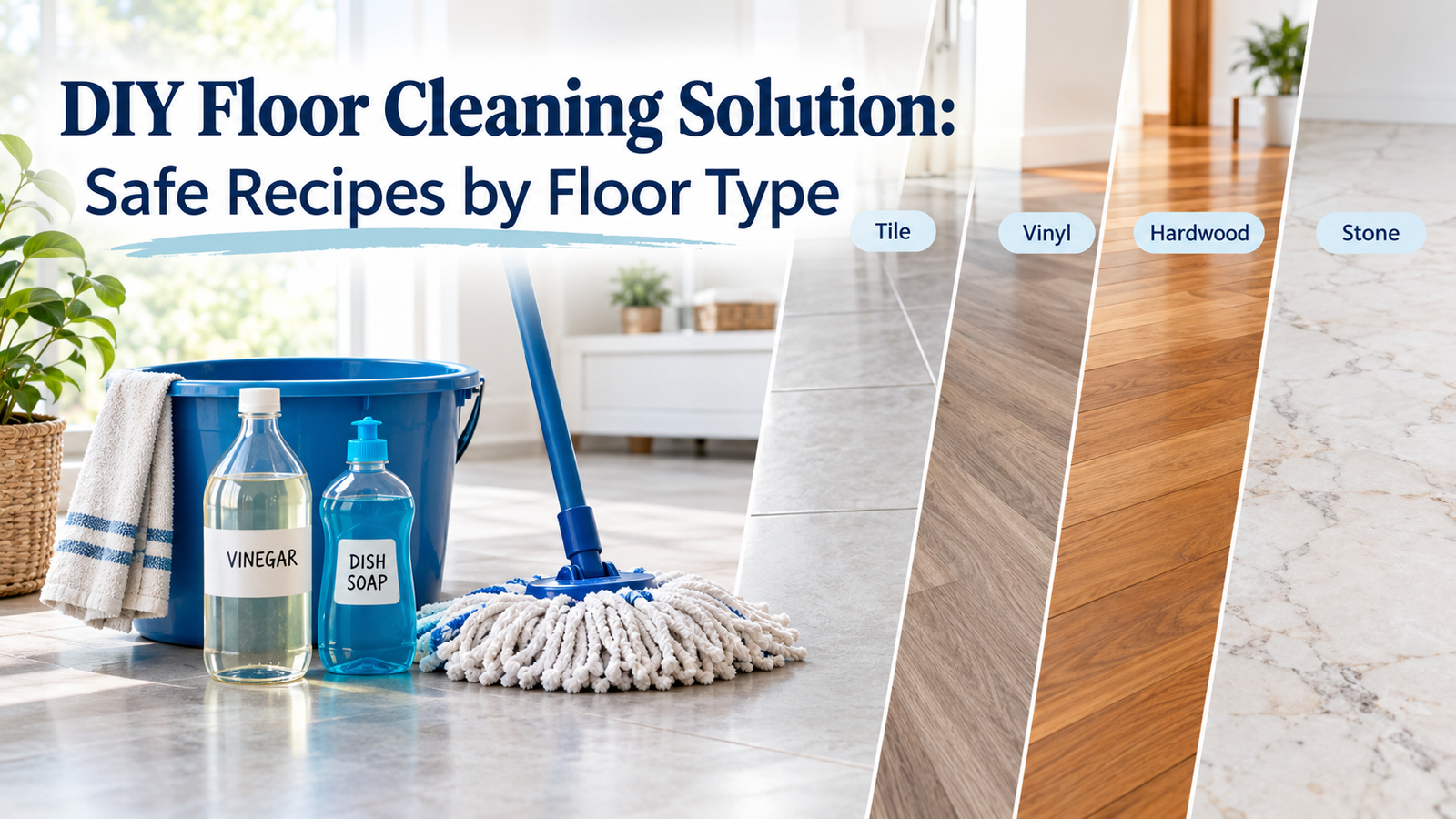
- Do a quick sweep of the most visible floors.
Put the Spotlight on High-Traffic Zones
Not every room needs equal attention every day. The smartest routine puts energy where it changes the feel of the whole home: the kitchen, bathrooms, entryway, and main living areas.
These spaces collect fingerprints, crumbs, dust, and clutter faster than less-used rooms. When they are under control, the entire home feels cleaner even if some deeper tasks are still waiting. In the kitchen, focus on counters, the sink, and the floor. In bathrooms, prioritize the sink, toilet area, and mirrors. In entryways, keep shoes, bags, and outdoor debris from spreading through the house. Living areas benefit most from quick decluttering and vacuuming of visible surfaces.
This is also where helpful tools matter most. A cordless vacuum can make it easier to handle quick pickups on floors and stairs, while a microfiber cloth reaches dust and smudges with less effort than paper towels.
Use a Weekly Schedule That Fits Real Life
A weekly schedule works best when it is broken into small, repeatable tasks. Instead of setting aside one exhausting cleaning day, assign a few chores to each day so the workload stays light and predictable.
Here is a simple structure many homeowners can adapt:
| Day | Focus | Time Needed |
|---|---|---|
| Monday | Floors and vacuuming | 15–20 minutes |
| Tuesday | Bathrooms | 15–20 minutes |
| Wednesday | Kitchen surfaces and appliances | 15–20 minutes |
| Thursday | Dusting and living areas | 15 minutes |
| Friday | Entryway and clutter pickup | 10–15 minutes |
| Saturday | Laundry and linens | Flexible |
| Sunday | Reset and prep for the week | 10–15 minutes |
A routine like this keeps chores from piling up. It also makes it easier to stay consistent during busy seasons because no single day has to carry the entire load.
Choose Tools That Save Time
Cleaning is much easier when you use tools that reduce friction. A few reliable basics can cut the time spent switching products, hunting for supplies, and repeating the same task with different equipment.
A good starter kit includes:
- Microfiber cloths for dusting and wiping.
- A multipurpose cleaner for counters, sinks, and other hard surfaces.
- A cordless vacuum for quick floor cleanup.
- A small caddy to carry supplies from room to room.
- Disposable or washable gloves if you prefer them for certain tasks.
Keeping the routine simple also helps you remember it. If one product can handle several tasks, you are more likely to finish the job without creating extra steps. For homeowners comparing home-care tools, Consumer Reports often publishes practical buying guidance that can help narrow down choices.
Control Clutter So Surfaces Stay Clean Longer
Clutter is one of the biggest reasons a home feels messy even after cleaning. When surfaces are covered with mail, chargers, keys, and random items, dusting and wiping become harder, and mess returns faster.
Build habits that make clutter easier to manage:
- Keep a tray or basket near the entryway for daily carry items.
- Use designated spots for shoes, bags, and keys.
- Sort mail right away instead of letting it spread across counters.
- Put away one item before bringing another into a room.
- Do a five-minute pickup before bed.
These small habits reduce visual noise and make every other cleaning task simpler. They also protect your daily reset from turning into a larger tidying session.
Add a Monthly Deep-Clean Rotation
Even a strong weekly routine misses certain spots. A monthly rotation helps you handle the overlooked areas that collect dust and buildup over time, without trying to tackle everything at once.
Focus on one or two extra tasks each week of the month. Rotate through vents, baseboards, behind appliances, under furniture, light fixtures, and other forgotten corners. If your home has allergy concerns or dusty conditions, a monthly check of filters and air pathways can be useful too, especially when paired with guidance from the U.S. Environmental Protection Agency.
The key is to keep it realistic. You do not need to deep-clean the entire home in one day. Spread the work out so each monthly session feels achievable and does not compete with your regular schedule.
Keep the Routine Flexible and Sustainable
The most effective cleaning routine is the one that survives real life. Some weeks will be busy, and some chores will get skipped. That is normal. The goal is not perfection; it is a steady system that prevents overwhelm.
Give yourself room to adjust. If a full weekly schedule feels too heavy, shorten the list and protect the daily reset. If you have more free time one week, use it to catch up on a deeper task. A flexible routine is easier to repeat, and repetition is what keeps a home consistently clean.
For busy homeowners, success comes from balance: short daily habits, a manageable weekly plan, the right tools, and a monthly check-in for neglected spots. That combination keeps cleaning under control without taking over your life.
Author bio: Rajat is the expert behind The Soothing Air, which publishes reviews and buying guides for indoor air quality appliances. He focuses on practical home appliances and tools that help homeowners maintain a cleaner, more comfortable living space.