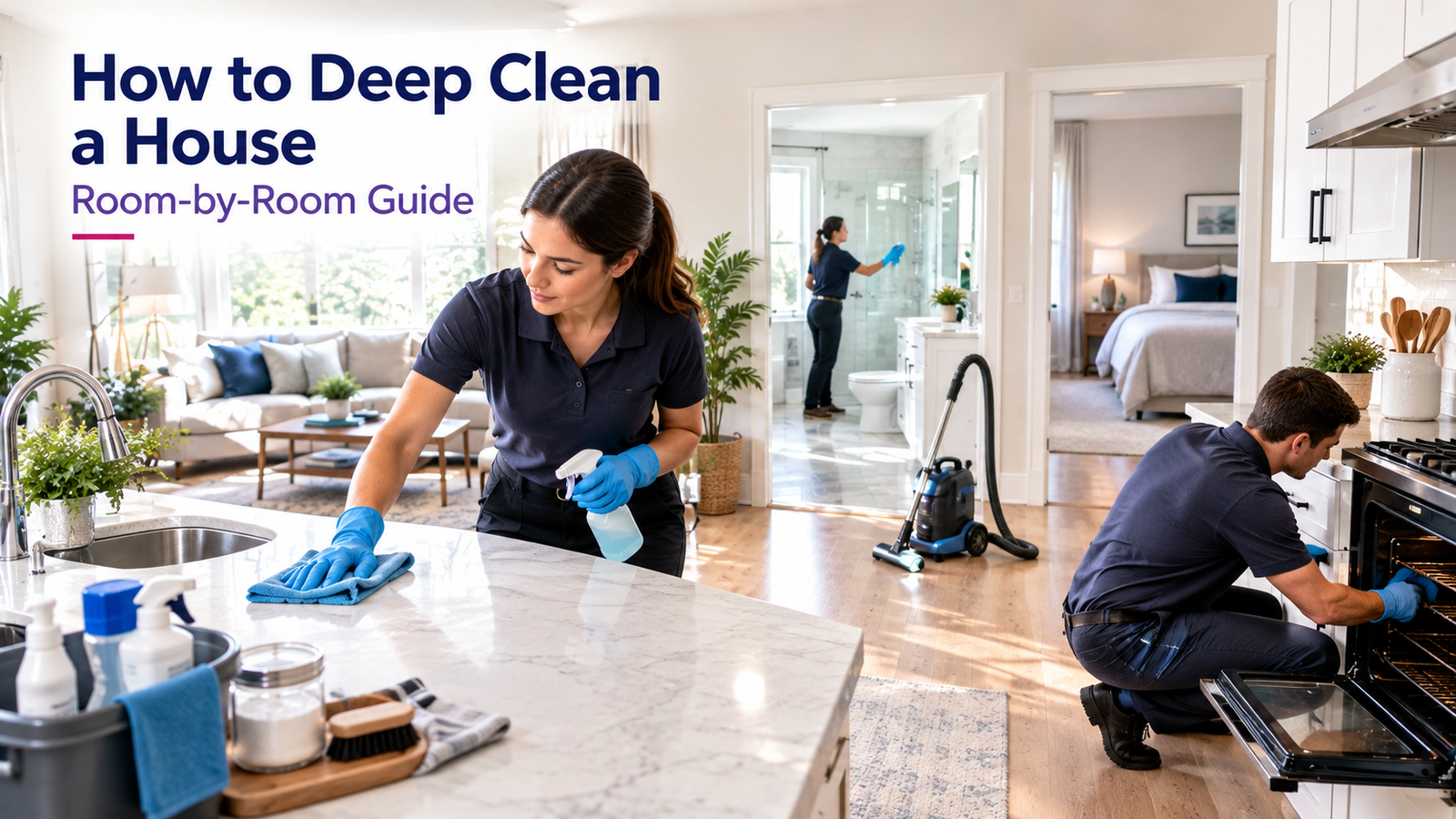
It was last spring when I discovered a shoe hidden in my closet which I had not seen in two years. There was a sock which had lost its mate and was covered by an inch of dust.That’s usually the moment. You’re not looking for anything in particular; you just open a door, and suddenly you know it’s time to actually learn how to deep clean a house instead of pushing a vacuum around the living room and calling it done.
A deep clean and a regular clean aren’t the same job wearing different clothes. The reason why your home looks good one week after another is regular cleaning, which involves wiping the counters, sweeping the floors, and washing the dishes. However, deep cleaning is the cleaning that goes beyond the regular one and includes such places as baseboards, vent covers, and that little corner of the oven where you try to avoid going.
The following is the way I divide my cleaning by room, as attempting to clean the entire house at once is the reason most people abandon their efforts halfway through.
How Often You Actually Need to Deep Clean
Every other time a year is sufficient for most homes. The kitchen and bathroom are quick to accumulate dirt because of the presence of grease and steam, respectively. You can therefore clean them on a monthly basis if you have time in your schedule.
The frequency at which a house should be cleaned has nothing to do with the calendar. In a house with a dog and two kids, you will have to clean it more often than an apartment with only one room. Listen to the house. If there is too much dust that forms quickly and odors continue coming back even after spraying, it is time to clean your home.
Gather Your Supplies First
It is difficult to stay motivated when you realize midstream that you ran out of vinegar. You will need the following:
- All-purpose cleaner
- Glass cleaner
- Baking soda and white vinegar
- A real stack of microfiber cloths, not just the two you can find
- A scrub brush and an old toothbrush for corners
- Rubber gloves
- A vacuum with a hose attachment
- Trash bags
This is basically all you need. Just baking soda and vinegar take care of everything else, including that nasty-looking grout line and that sink that looks pretty sad.
Start With the Kitchen
Kitchens go first. The same is true of mine, and the same will be true of yours, so take care of it when you have enough energy. Make sure that you remove everything from the counter and give it a clean under there, since that’s where all the crumbs hide. As for the microwave, boil some water with vinegar inside for two minutes.
It will almost clean itself afterward. Don’t forget to clean out the refrigerator as well, removing anything that is past its expiry date and cleaning the shelves. The oven should also get some attention, along with the greasy stove top. That’s exactly where grease splatter lands and just sits, unnoticed, for months. Small appliances too, toaster and coffee maker, inside and out.
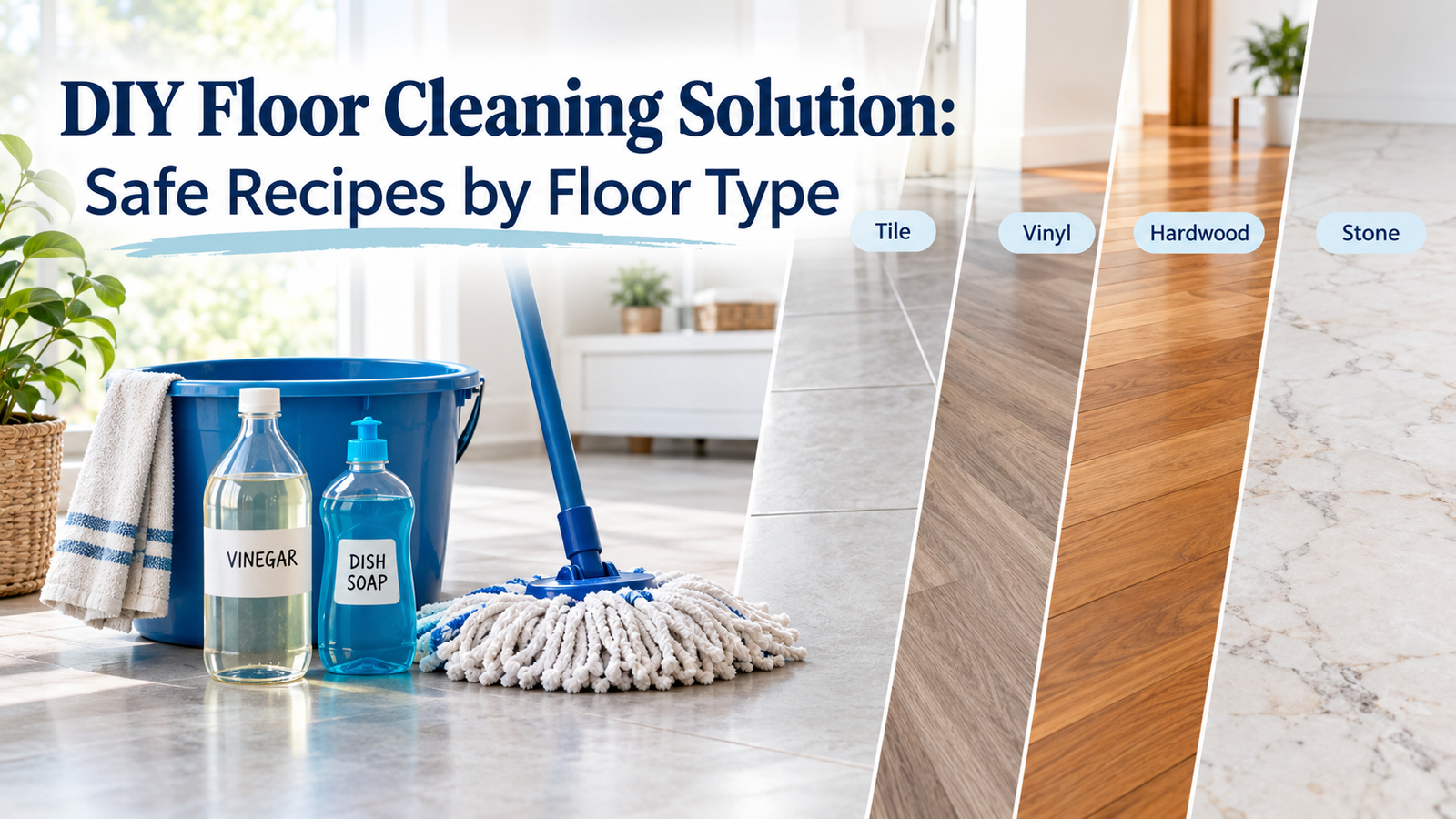
Floor comes last, always. Sweep, then mop with whatever suits your floor type. Want the kitchen broken down further, drawer by drawer? Clean Plate Guide’s kitchen deep cleaning checklist covers it in more detail than I have room for here.
Then the Bathroom
Mildew and soap scum accumulate very quickly in the bathroom; therefore, you will need to put in some serious work. Start from top to bottom. Clean the exhaust fan cover and the light fixtures, and if your showerhead has lost some water pressure, a vinegar bath will do the job.
The tub and the tiles should be cleaned using baking soda paste. Clean the toilet fully, base and seat hinges included, since that’s the part everyone forgets exists. Wash the bath mat and shower liner too; might as well while everything’s already a mess.
Mirror, medicine cabinet, toss the expired stuff. A bathroom that’s had this done to it feels different the second you walk in, even if nothing looks obviously changed.
Bedrooms and Closets
Your bedroom does not have to be cleaned every day but this is what accumulates without you noticing it. Rotate your mattress and vacuum it. You really don’t want to imagine what is in there after some time; just do it. Wash your bedding at the highest temperature possible, and do not forget your pillows.
Empty your entire closet out. Vacuum the floor of the closet and clean the shelves; it may be a good idea to get rid of any objects that you haven’t used for one year. Clean your dressers, night stands, and the blades of your ceiling fans. They collect a huge amount of dust even though they are rotating.
Living Room and Common Areas
The furniture needs to be taken out of its place against the wall and then cleaned. It is crucial to do vacuuming between the cushions of the sofa since somehow they always gather crumbs and remote controls. Dust the electronics with a dry microfiber cloth, including the top of the TV, and go easy so you don’t scratch the screen.
Machine washable throw blankets and pillow cases should be washed. If the weather is favorable, clean the windows both inside and outside along with the dust collected and any dead insect that may be found on the window sills. Baseboards get ignored in every single room of the house, so run a damp cloth along them here too while you’re already in the mindset.
Easy to Miss Spots
A few areas get skipped almost every time, mostly because they’re not part of anyone’s weekly routine.
- Light switches and doorknobs, genuinely some of the germiest spots in a home
- The washing machine drum and dispenser tray
- Ceiling fan blades and vent covers
- Behind and under large appliances
- Trash cans, which need a rinse and a shot of disinfectant now and then
Hit these and you’ve done an actual deep clean. Skip them and you’ve just done a longer version of your normal routine.
Be Realistic About the Timeline
One day is not enough time to deep clean a whole house, not without burning out somewhere around hour six and leaving a room half finished. Spread it over a weekend, or across a week, one or two rooms a day. According to the Environmental Protection Agency’s guidance on indoor air quality, regularly deep cleaning dust-prone areas like carpets and vents also helps cut down indoor allergens. So it’s not just about the house looking better; the air gets a little better too.
Regarding kitchen and bathroom cleaning, it may be good to browse through the advice given by the CDC about cleaning and disinfection. The terms ‘cleaning’ and ‘disinfection’ are often used synonymously; however, they are different processes.
Final Thoughts
How to deep clean a house was never really the hard question. The hard part is starting without a plan and running out of steam by room two. Pick one room this weekend. Do that until you’re completely done, and then move on to the next task. If you do that a few times throughout the year, the entire house will stay much more comfortable between cleanings, not just clean on the days you do it. Finish.
FAQ
How much time does it take to deep clean your house?
About six to ten hours for an average size of a house if you do it alone. Over the weekend or over a few evenings, it will not be so tough as one single marathon session.
What is the difference between deep cleaning and regular cleaning?
Regular cleaning will consist of cleaning the counters and floors that are touched each week, while deep cleaning will include the baseboards, inside of the appliances, and areas behind the furniture.
What order should I clean my house in?
The kitchen first; it usually needs the most work. Bathroom next. Bedrooms and living areas after that, since they typically need less muscle.
Do I need special products to deep clean my house?
Definitely not! All-purpose cleaners, baking soda, and white vinegar will help deal with most of your needs. Special solutions deal with the exceptions, such as heavy limescale, but they are not a necessity.
When am I supposed to perform deep cleaning in the house?
Since, for the majority of regular houses, it must be done two to four times a year, with kitchens and bathrooms being cleaned on monthly bases.